

What happens if you step into someone else’s time of intensity and heightened emotion before examining your own experiences? What effects might “hidden motivations” have on your care capacity?
The truth? It’s not actually possible to become “fully healed” or an “empty vessel.” Arguably, it’s not even helpful to hold onto these ideas as aspirations.
So, how can we shift into a healthier mindset?
We don’t serve with our strength, we serve with ourselves. We draw from all of our experiences. Our limitations serve, our wounds serve, even our darkness can serve. The wholeness in us serves the wholeness in others and the wholeness in life. –Rachel Naomi Remen, “In the Service of Life”
What’s vital is awareness. Clarity. Doing the “work” ourselves with humility, courage, and self-compassion. AND the realization that this is an ongoing, ever-evolving process.
So, what does it entail?
KINDRED GRIEF CARE
Community grief care involves reaching out, showing up, and offering support to those facing loss. It requires a brave willingness rooted in earnest concern for the wellbeing of others. In order to be prepared for this role, though, we need to first identify and explore our core motivations.
Inner Purpose (your “why”)
Sometimes people yearn to be the kind of support they didn’t have access to during a past heartbreak. They are motivated to become what was lacking, embodying what they wish had been available. Alternatively, when someone felt abundantly cared for during an intense period, they might want to become the presence they appreciated by emulating what was offered. Lastly, people might have witnessed what they perceive to be beneficial and thoughtful during someone else’s experience and thus set out to adopt those practices.
Pause and Reflect
To foster clarity, spend some time considering the impulse behind your efforts. Using your preferred tool for introspection—whether it’s closing your eyes and thinking deeply, contemplating while taking a walk, or creatively expressing ideas through writing or art—answer the following questions. Allow insights to emerge without judging them. Be honest and open to get the most out of this exercise.
- What motivates you to support a person facing loss?
- What losses from the past influence your current interest?
- What might you be attempting to avoid or replicate while taking on this role?
Return
How did it feel to reflect on your inner reasoning for wanting to provide kindred grief care? Did you try to dissuade or convince yourself of a certain truth, or were you able to be neutral and simply observe?
Providing skillful emotional support requires patience and understanding, not only of loss but also of ourselves. Most of us are natural nurturers. We have an inclination toward “pro-social behavior,” meaning that we take action to provide comfort and care to those requiring it.
According to educator and author Kendra Cherry, pro-social behaviors are compelled by either (1) egoistic motives, as in improving one’s own sense of self; (2) reciprocal benefits, as in expecting a favor to be returned in the future; or (3) altruistic reasons, as in acting purely out of concern for another individual.[i]
These motivations have the potential to shift from internal forces to an unconscious agenda.
Undoubtedly, the purest form of care stems from altruism. These efforts are quieter. They require no applause or acknowledgement, as they are powered by heartfelt compassion. They are pure because there are no expectations attached. Altruistic supporters arrive ready and open. If their presence isn’t accepted, no offense is taken. Instead, they silently celebrate that the griever is voicing their needs and take comfort in knowing their willingness to visit has been conveyed.
Yet, we’re human. We carry our own personal losses and unhealed wounds. And we often have hopes for others, notably that they will begin to heal and re-engage with life in meaningful ways following a loss.
All this is natural. And self-awareness is key, as is (continually) examining hidden influences.
What will be your practice?
[i] Kendra Cherry, “The Basics of Prosocial Behavior,” Verywell Mind, updated November 17, 2022, https://www.verywellmind.com/what-is-prosocial-behavior-2795479.
Adapted from:
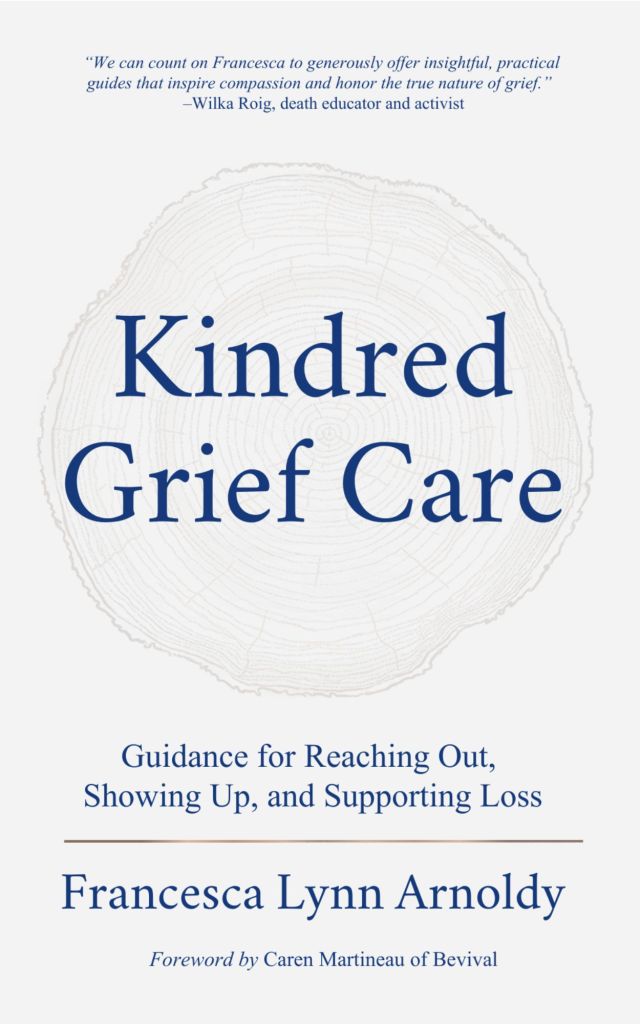
Essential guidance for caring neighbors, colleagues, and loved ones supporting hardship and heartache.
Whether you’re preparing for future acts of kindness or already supporting someone through loss, this book will give you the confidence to offer caring words, a listening ear, and practical support—without feeling depleted or overwhelmed.


