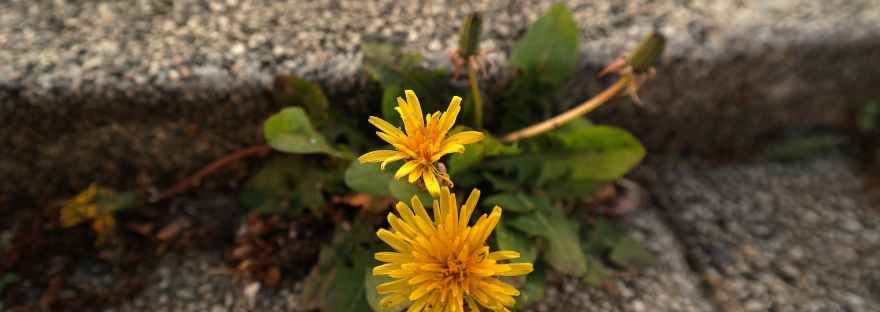
In a world that can feel so unwelcoming—unsafe for simply being—it is vital to find where your heart feels at home.That place of rest and unguarded ease. Of truth and unsuppressed joy.Whether it’s in the presence of beloveds, the quiet of nature, the bliss of creativity, or the purity of connection.And then to return to… Continue reading A Heart’s Return Home
Tag: compassion
Vital Deathcaring: Maintaining Connection to our Humanity
Truth: Caring can be draining. But does it necessarily have to be? Can we find ways to notice our own dwindling energy reserves and replenish them as needed? First and foremost, let's establish the most important promise we must make to ourselves, which is to maintain connection to our own humanity. We must be aware… Continue reading Vital Deathcaring: Maintaining Connection to our Humanity
Layers of Loss
As it tends to happen, I just had THE MOST INCREDIBLE experience (namely, leading a retreat in Portugal), but it was bookended with heartache. Before leaving for the retreat, my dear Gram had a serious fall and was gone within a week. Although she wasn't ever actually terminally ill (which made getting hospice care difficult), she announced… Continue reading Layers of Loss
Impermanence
Linger over what makes you smile. Savor delight and connection. Fully embrace and absorb meaningful moments as they pass. Why Incorporate Impermanence Practices? From completely forgettable happenings to momentous events, nothing lasts forever. Moments are here, and then they’re gone. Every sentient being will have its allotted lifespan. Even our sun is destined to eventually… Continue reading Impermanence
Attending to Suffering: Helplessness and Proximity
If you know me at all as a doula or death lit writer, you know I reference “intensity” far more often than “suffering.” This is because intensity—during birth, death, or grief—is pretty much a given. Whether it’s felt by the person actually journeying through or those surrounding them, and whether it’s emotional, physical, spiritual, or… Continue reading Attending to Suffering: Helplessness and Proximity