

Following this past holiday season, I knew we needed to SORT before we STASHED.
✓ Yes, it would take more time and effort.
✓ Yes, it would be a pain.
But I knew it would (undeniably) be worth it.

To start, I brought up all the bins from the basement. Before adding anything back in, we assessed each and every decoration, ornament, card, and handmade goody.
Had we been using or displaying it? Did it hold meaning? Would letting it go bring relief or regret?
We also went through our rooms, especially our closets, weeding out things that were just taking up space. My son is sixteen and heading toward being “grown and flown,” so the future evolution of his room is on my mind. By going through his stuff now, it’ll help the process of deciding what he’ll want to keep and carry forward later.
By the time we finished operation declutter, our home felt clean and clear.
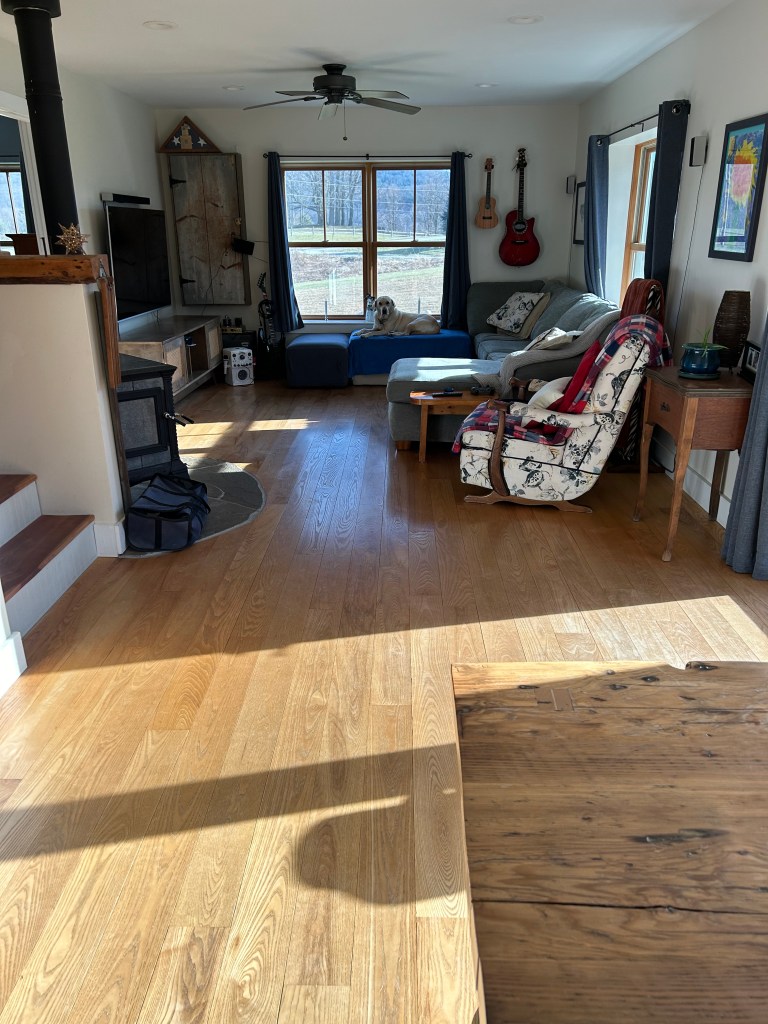
And my car was jam-packed with donations. First, I dropped off some of my son’s old toys to our neighbors who have younglings. Their mom said her oldest played with the submarine that whole evening and they were going to save the unopened car building set for his upcoming birthday. Next, I dropped off an enormous bag of clothes to the girl my daughter babysits. Her mom recently told me that their hand-me-down supply had dried up when a family member (a young mom) died a few years ago—a secondary loss connected to the major one. As for the rest, which included more clothes as well as linens and holiday decor in good condition, I went to two local donation collection organizations that do incredible work in our county.
All in all, it felt AMAZING. Freeing. Heartwarming.
The effort required to declutter will hopefully fuel our motivation to be even more mindful of over-collecting… of over-consuming… and of becoming too overly attached to stuff.
As a death doula and death literacy author, I believe deeply in the value of impermanence practices. From time to time, I envision my loved ones living on after my lifespan has ended and I ask myself what sort of burdens might inadvertently become part of my legacy. When I’m no longer here, someone else will have to sort through everything I’ve accumulated. That’s a heavy task, especially alongside grief.
What can we mortals do in anticipation of the end, whenever that might occur?
Death Decluttering
Death decluttering, or sorting through what you’ve accumulated, is an act of healthy preparedness. It means remembering you are mortal and committing to doing constructive work in advance of life’s final stage. Death decluttering is also a cathartic way to practice accepting impermanence. It’s more than a spring cleaning—it involves a thorough assessment of what you own to see what you can release now to save others the daunting task later.
There are a number of potential benefits associated with the practice of death decluttering. Purging unnecessary or extraneous possessions can help:
- Create order. When our spaces aren’t organized, we often feel scatter-brained. Sorting and prioritizing can sharpen our focus so we can spend time in more meaningful ways.
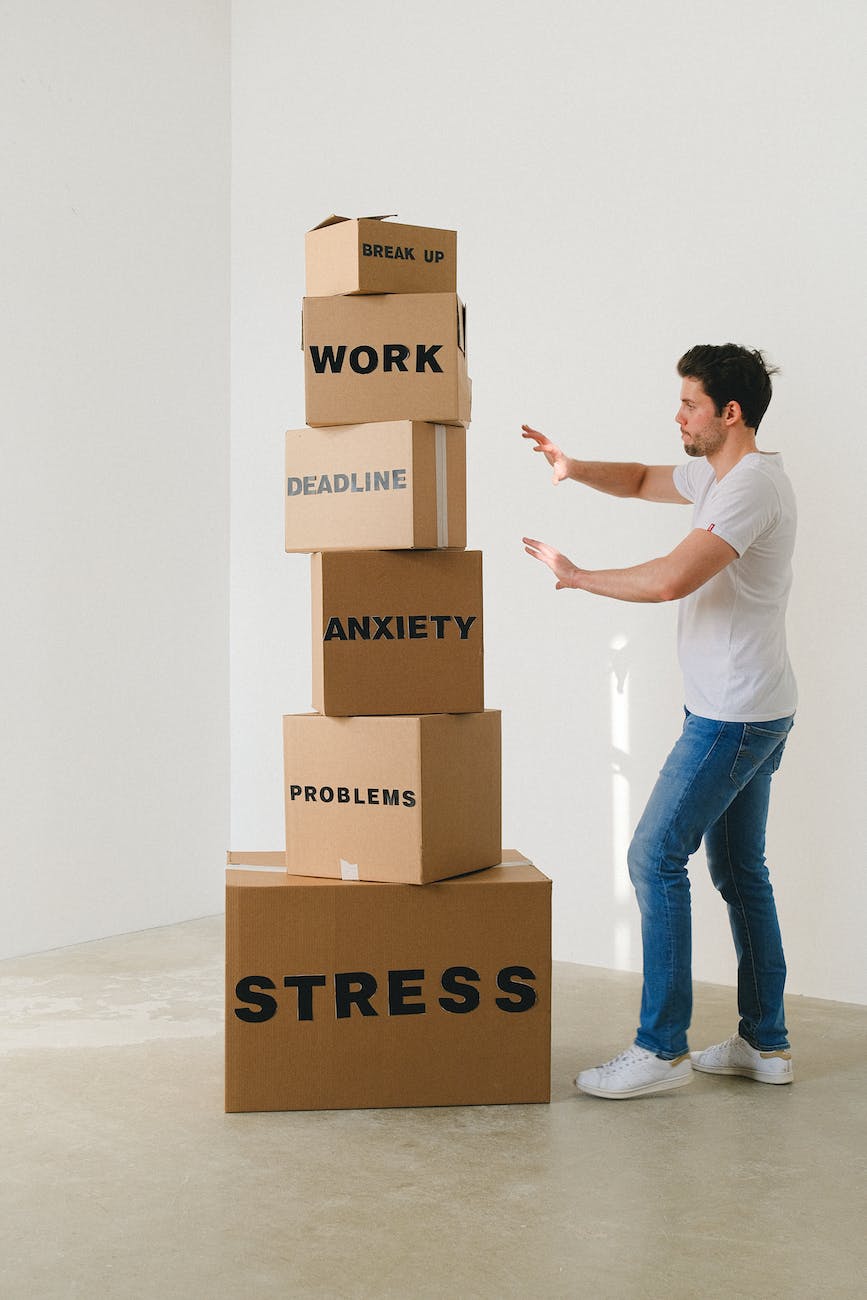
- Lower anxiety and stress. An orderly home can calm our minds and aid in relaxation.
- Lead to a sense of pride in what we’ve accomplished and relief that someone else won’t have to tackle as much on our behalf.
TIPS – To set yourself up for this challenge, follow these suggestions:
- Start with belongings that have less emotional charge, and then work your way toward special relics and souvenirs.
- Don’t feel like you need to get rid of everything. We piece together our environment with things. The feel of your space is important. Take stock of your material collections with equal portions of honesty and self-compassion.
- Consider spreading this task over a stretch of time. Take breaks and allow yourself moments to reminisce and even detour temporarily. The items you uncover might become inspiration for death journal entries or letters for sharing.
- As you’re sorting through your stuff, ask yourself:
- What emotions or memories are attached to this object?
- Do I need to keep it to maintain that link, or might there be another way to honor it, such as writing about it within a journal entry or taking a photo of it for a scrapbook?
- Does it help create the atmosphere I’m seeking?
- Do I have good cause to keep it? Is it useful? Necessary? Valuable? Uplifting?
- Is there someone I could gift this to—now or in the future—who might need or cherish it (bequeathing)?
Chances are, you will unearth priceless possessions associated with key moments in your life while decluttering. But do remember: You are not your things. You are you. Your things might reflect aspects of your personhood, yet they do not define you. You exist beyond them.
And with this knowledge in mind, consider: What might you be ready to let go of? Once you do, you’ll likely experience a deepened appreciation for the items you’ve thoughtfully chosen to keep.
“Death Decluttering” was adapted and excerpted from:
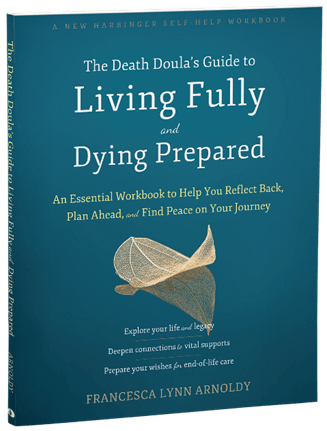
In this thought-provoking publication, community doula and death literacy advocate Francesca Lynn Arnoldy offers readers a guided tour through topics like death anxiety, mortality awareness, compassion, and connection. This contemplative workbook is geared toward anyone wanting a more intentional approach to living and dying as well as those beginning or updating their end-of-life plans, those with serious/terminal conditions, people ready to create remembrance gifts for loved ones, and deathcare providers seeking more tools. It includes personal stories, professional anecdotes, and practical activities throughout with sensitivity to all belief systems, cultures, identities, and histories of lived experience—inviting readers to modify and customize as needed to ensure alignment.

 Francesca Lynn Arnoldy
1 thought on “Decluttering: Out with the Old”